hubhype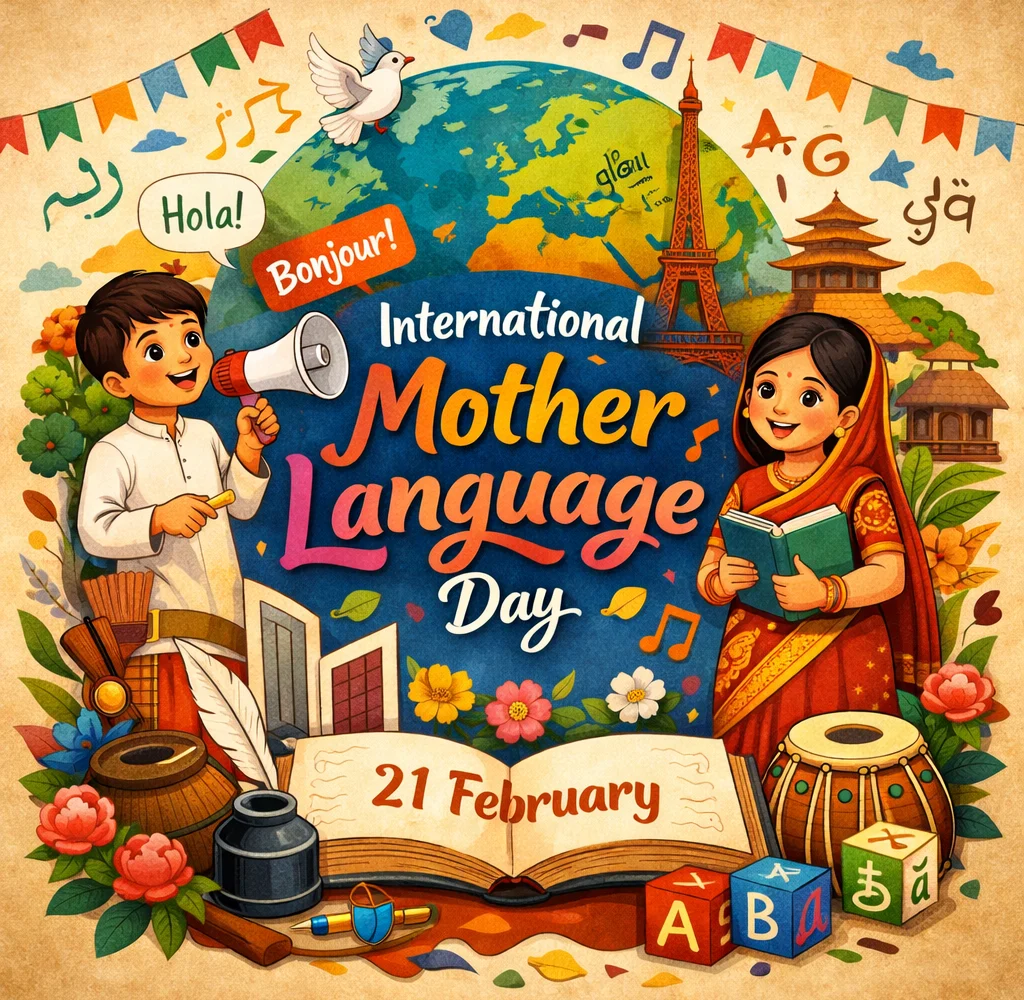
International Mother Language Day is celebrated every year on 21 February to promote linguistic and cultural diversity around the world. This day serves as a reminder to respect our mother tongue and to preserve languages that are at risk of disappearing. It also emphasizes the importance of multilingual education for harmony and development.
UNESCO proclaimed the day in 1999, and it has been observed globally since 2000.
Why is International Mother Language Day Celebrated?
International Mother Language Day is observed to:
Promote linguistic and cultural diversity
Protect endangered languages
Encourage multilingual education
Strengthen unity through respect for language
Language is not just a means of communication; it reflects culture, tradition, and heritage. Protecting mother languages helps preserve the history and knowledge shared from one generation to the next.
History of International Mother Language Day
The origin of International Mother Language Day is tied to the Language Movement of 1952 in Bangladesh. On 21 February 1952, students in Dhaka protested to make Bengali one of the official languages of Pakistan. Several students lost their lives during this protest.
To honor their sacrifice, UNESCO declared 21 February International Mother Language Day in 1999. Later, the United Nations General Assembly recognized it to promote global awareness.
Why Mother Tongue Matters
1. Better Learning: Children grasp concepts more quickly in their mother tongue.
2. Cultural Identity: Language links us to our roots.
3. Emotional Expression: People can express feelings more effectively in their native language.
4. Preservation of Heritage: Protects traditional stories, literature, and customs.
According to UNESCO reports, many languages are disappearing rapidly. As a result, communities lose valuable cultural knowledge. Therefore, we must actively preserve and promote local languages.
Theme for 2026
Every year, UNESCO announces a specific theme focusing on multilingual education and digital inclusion. For 2026, the focus will likely encourage inclusive education and digital access in native languages. However, officials will release the final theme closer to the date.
How is International Mother Language Day Celebrated?
- Educational seminars and workshops
- Cultural programs and poetry events
- Language awareness campaigns
- Social media promotions using #InternationalMotherLanguageDay
- School activities promoting regional languages
In addition, many countries encourage young people to take pride in their mother tongue through competitions and storytelling events.
International Mother Language Day Quotes
“A different language is a different vision of life.”
“Respect your mother tongue; it carries your culture.”
“Language is the road map of a culture.”
Conclusion
This global language celebration reminds us that every language matters. If we protect and promote our mother tongue, we strengthen cultural identity and global unity. Therefore, on 21 February, let us celebrate linguistic diversity and support language preservation efforts.
Frequently Asked Questions (FAQ)
Q1: When is International Mother Language Day celebrated?
It is celebrated every year on 21 February.
Q2: Who declared International Mother Language Day?
UNESCO declared it in 1999.
Q3: Why is International Mother Language Day important?
It promotes linguistic diversity, multilingual education, and the preservation of endangered languages.
Q4: What is the main objective of this day?
The main objective is to protect mother languages and promote cultural diversity globally.

Written by