This festival is not just about harvesting crops; it represents prosperity, unity, and the rich traditions of Punjabi culture. From colorful fairs to energetic Bhangra performances, Baisakhi offers a unique blend of spirituality and festivity.
Historical and Religious Significance
Baisakhi is deeply rooted in both agriculture and religion. For farmers, it marks the time when the rabi crops are harvested, symbolizing prosperity and reward for months of hard work.
Religiously, Baisakhi holds immense importance in Sikhism. It was on this day in 1699 that Guru Gobind Singh Ji, the tenth Sikh Guru, established the Khalsa Panth. This historic event took place at Anandpur Sahib, where Guru Ji initiated the “Panj Pyare” (the five beloved ones), laying the foundation of courage, equality, and faith.
This makes Baisakhi not just a seasonal festival, but also a day of spiritual awakening and identity for Sikhs.
How Baisakhi is Celebrated in Punjab
Gurudwara Celebrations
The day begins with early morning prayers at Gurudwaras. Devotees gather to listen to kirtans, offer prayers, and seek blessings. Special langars (community meals) are organized where people from all walks of life sit together and eat, promoting equality and unity.
Nagar Kirtan
Colorful processions known as Nagar Kirtans are carried out in many cities. These include devotional singing, Gatka (martial arts), and displays of Sikh traditions.
Baisakhi Melas
One of the biggest attractions of Baisakhi is the fairs or melas. These fairs include:
- Traditional games
- Folk music and dance
- Food stalls with Punjabi delicacies
- Handicrafts and shopping
Villages and cities alike come alive with excitement during these melas.
Cultural Celebrations: Dance, Music, and Food
Baisakhi is incomplete without its vibrant cultural elements:
Bhangra and Gidda
Men perform Bhangra, a high-energy dance symbolizing joy and celebration, while women perform Gidda, showcasing grace and traditional storytelling through dance.
Punjabi Music
Dhol beats echo everywhere, creating an electrifying atmosphere. Folk songs narrate stories of harvest, love, and tradition.
Traditional Food
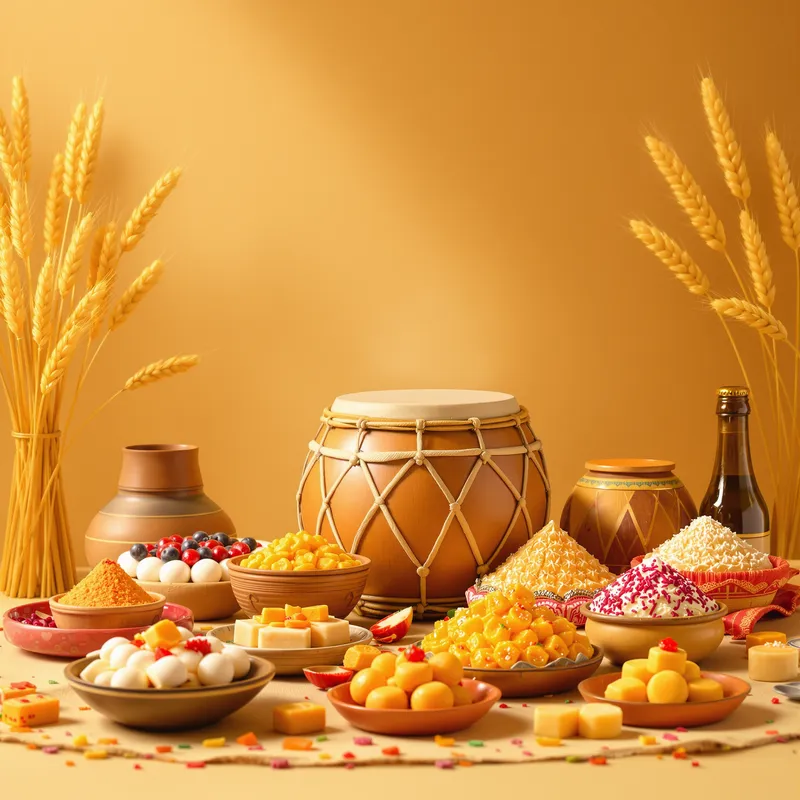
Food plays a major role in Baisakhi celebrations. Popular dishes include:
Sarson da Saag & Makki di Roti
Lassi
Chole Bhature
Sweet dishes like Jalebi & Kheer
Baisakhi Celebrations Across India
Though Punjab is the heart of Baisakhi celebrations, the festival is also observed in different parts of India in various forms:
In Haryana and Himachal Pradesh, it is celebrated as a harvest festival.
In West Bengal, it coincides with Pohela Boishakh (Bengali New Year).
In Tamil Nadu, it aligns with Puthandu (Tamil New Year).
In Kerala, it is celebrated as Vishu.
This shows the diversity and unity of Indian culture, where one festival has many regional expressions.
Modern-Day Celebrations
In today’s time, Baisakhi is celebrated not only in villages but also in cities and even abroad. Punjabi communities across countries like Canada, the UK, and the USA organize grand parades and cultural events.
Social media has also added a new dimension to celebrations. People share festive moments, traditional outfits, and cultural performances online, spreading the joy globally.
Importance of Baisakhi in Today’s Life
Baisakhi teaches us many valuable lessons:
Gratitude: Being thankful for nature and hard work
Unity: Bringing communities together
New Beginnings: Starting fresh with positivity
Cultural Pride: Preserving traditions and heritage
In a fast-paced modern world, festivals like Baisakhi remind us to pause, celebrate, and connect with our roots.
Baisakhi and Content Creation Opportunity
For content creators and bloggers, Baisakhi offers a golden opportunity:
Create storytelling videos on village life
Capture real Baisakhi melas and traditions
Share emotional stories of farmers
Make reels on Punjabi culture and food
Such content not only entertains but also educates and connects emotionally with the audience.
Best Places to Experience Baisakhi
If you want to experience the real essence of Baisakhi, visit:
- Amritsar (Golden Temple celebrations)
- Anandpur Sahib (historic importance)
- Ludhiana & Jalandhar (grand melas)
- Rural Punjab villages (authentic experience)
These places offer a perfect blend of spirituality and festivity.
Baisakhi is more than just a festival—it is a celebration of life, culture, and faith. It brings people together in joy and reminds us of the importance of gratitude, unity, and tradition.
As we celebrate Baisakhi 2026, let us embrace its true spirit by spreading happiness, helping others, and staying connected to our roots.
Whether you are enjoying a vibrant mela, dancing to dhol beats, or sharing festive moments with loved ones, Baisakhi is a time to cherish and celebrate life.
What is Baisakhi and why is it celebrated?
Answer:
Baisakhi is a major harvest festival celebrated mainly in Punjab. It marks the harvesting of rabi crops and symbolizes prosperity and new beginnings. It is also significant in Sikhism as the day when Guru Gobind Singh Ji established the Khalsa Panth in 1699.
When is Baisakhi in 2026?
Baisakhi will be celebrated on 14 April 2026 (Tuesday) across India, especially in Punjab and northern states.
Why is Baisakhi important in Sikhism?
Baisakhi is important because on this day in 1699, Guru Gobind Singh Ji founded the Khalsa Panth. This event established the identity, values, and discipline of the Sikh community.
How is Baisakhi celebrated in Punjab?
Baisakhi is celebrated with:
- Gurudwara prayers and kirtans
- Nagar Kirtan processions
- Baisakhi melas (fairs)
- Bhangra and Gidda dance
- Traditional Punjabi food
What are Baisakhi melas?
Baisakhi melas are traditional fairs held in villages and cities of Punjab. They include cultural performances, food stalls, games, shopping, and folk music, attracting large crowds.
What is the significance of Baisakhi for farmers?
For farmers, Baisakhi marks the harvest of rabi crops like wheat. It is a time of celebration after months of hard work and symbolizes financial prosperity.
Is Baisakhi a public holiday in India?
Yes, Baisakhi is a public holiday in many states like Punjab, Haryana, and Himachal Pradesh. Banks, schools, and government offices may remain closed.
What are the traditional foods of Baisakhi?
Popular Baisakhi foods include:
- Sarson da Saag & Makki di Roti
- Lassi
- Chole Bhature
- Jalebi and Kheer
Where can I celebrate Baisakhi in India?
Answer:
Best places to celebrate Baisakhi:
- Amritsar (Golden Temple)
- Anandpur Sahib
- Ludhiana
- Jalandhar
- Rural Punjab villages
What is the difference between Baisakhi and Vaisakhi?
There is no difference—Baisakhi and Vaisakhi are different spellings of the same festival.
What are some Baisakhi wishes and messages?
- “Happy Baisakhi! May your life be filled with prosperity and happiness.”
- “May Waheguru bless you with success and joy this Baisakhi.”
- “Celebrate this harvest festival with love and gratitude.”
How can I celebrate Baisakhi at home?
You can celebrate Baisakhi at home by:
- Offering prayers
- Cooking traditional Punjabi food
- Wearing ethnic clothes
- Listening to Punjabi music
- Sharing wishes with family and friends
Why is Baisakhi trending every year?
Baisakhi trends every year due to its cultural, religious, and agricultural importance. Social media, reels, and festival content also increase its online popularity.